3 Emerging Trends Impacting Auto Liability
Stakeholders who offer auto liability are facing mounting pressure from record losses, labor shortages, and evolving fleet exposures. From electric vehicles to regulatory mandates and workforce challenges, insurers and fleet operators must adapt quickly to emerging risks shaping the road ahead.
January 27, 2026
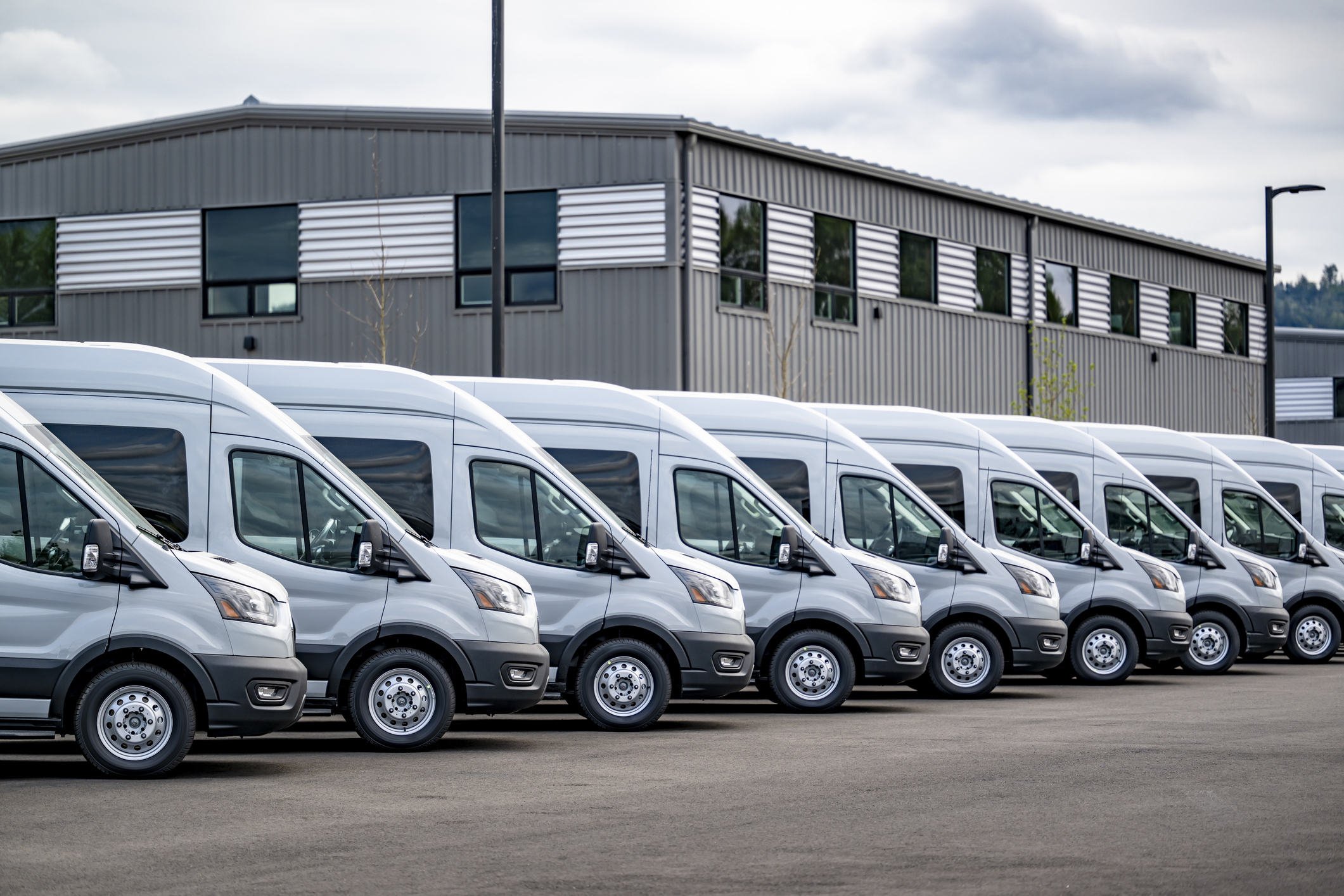
Commercial auto liability losses are staggering, with a recent report noting more than $10 billion in losses over the last two years. Insurance carriers are struggling with the exposures of longer-tail claims that can result in nuclear verdicts. Its burdens are further complicated by an auto industry still plagued by increasingly costly repairs and labor shortages. While these issues are impacting rates, the insurance industry is keeping a pulse on several emerging trends and preparing accordingly.
“Amid pressure to increase self-insured retentions (SIRs) and tighten terms, there is also additional scrutiny around who is insured,” said Rich Magold, Casualty Product Line Insurance Underwriting Manager at Safety National. “Fleets are becoming more complicated, with employee-owned vehicles in the mix, so insurers are expecting organizations to provide enhanced safety training programs, including immediate coaching following any unsafe driver behavior, in addition to frequent motor vehicle record (MVR) audits and driver qualifications.”
1. Electric Vehicles (EVs)
EVs have gained commercial popularity in recent years, offering benefits such as lower maintenance costs, no fuel expenses, and a reputation for greater environmental friendliness. However, the unique risks associated with EVs are often overlooked. These vehicles are typically more expensive to repair and present a higher fire risk than traditional gasoline-powered vehicles.
Battery fires can be difficult to extinguish, posing dangers to first responders and increasing concerns about where EVs are parked or stored, particularly near other buildings or structures. Auto mechanics also face the risk of electrocution during repairs. Additionally, EVs are significantly heavier than comparable gas-powered vehicles, which can increase the severity of damage and risk to others in a collision.
2. Federal Automatic Emergency Braking (AEB) Requirements
A joint proposal from the National Highway Traffic Safety Administration (NHTSA) and the Federal Motor Carrier Safety Administration (FMCSA), aims to make AEB federally mandated in all heavy-duty vehicles to reduce severe automobile collisions. This technology, often paired with visual warnings and driver alerts, automatically applies brakes when a crash is imminent.
While a separate mandate for light vehicles (under 10,000 pounds) is set to take effect in 2029, the potential deadlines for heavy-duty vehicles could be 2027, and 2028 for medium-duty vehicles. The final ruling is expected this year, and while critical to crash prevention, it will require organizations to significantly update their fleets to prevent federal fines and penalties.
3. Driver Labor Pressures
Qualified fleet drivers are increasingly hard to find, and many organizations are adopting new strategies to recruit and retain employees with these skills. To entice qualified candidates, there is now an increased focus on well-being, with improved work-life balances and flexibility in scheduling. Many fleets are now equipped with advanced technology that may attract younger drivers. While most companies require a minimum driving age of 21, some are offering opportunities to those who still meet intrastate driving requirements. This can help fill labor gaps, but it may also open a new set of risks with inexperienced drivers behind the wheel.
Despite efforts, the industry is still facing a massive shortage of qualified drivers and skilled mechanics. Ford’s CEO recently reported that the company is struggling to fill 5,000 different positions, including a mechanic role that pays $160,000 a year. Stressful working conditions, retirements among experienced workers, and the high cost of training remain key barriers for attracting new talent.

Rethinking Privacy Exposure in Cyber Liability

3 Key Pain Management Cost Trends in Workers’ Compensation Claims

5 Risk Management Considerations for an Aging Workforce

Reducing Caregiver Burden in Families of Injured Workers

Insights from Losses: Employer Responsibility in Managing Driver Risk

Understanding the Severity and Treatment of Catastrophic Burn Injuries

High-Risk Handoffs in Patient Care Transitions

A Catastrophic Injury Checklist for Employers

Reducing Bicycle Accidents on Work Campuses

Level Up Your Career with Insurance Designations That Make a Difference

5 De-escalation Techniques for School Districts to Know

5 Insights Into the Rising Role of Joint Replacement in Workers’ Compensation

7 Tools for Reducing Musculoskeletal Injuries in Data Centers

The Role of Fee Schedules in Workers’ Compensation Claims Cost Management

Managing Driver Distractions to Support Fleet Safety
Injectable Therapies and Their Growing Impact on Workers’ Compensation

Cyber Risk and Emerging Insurance Market Challenges for Enterprise Businesses
3 Emerging Trends Impacting Auto Liability

Shifting General Liability Exposures in an Era of Legal System Abuse

5 Issues Redefining Workers’ Compensation

Safety Essentials for Municipal Stormwater Systems

A Five-Step Checklist for Stronger Construction Project Protection

7 Ways Law Enforcement Leadership Can Build Safer, More Accountable Agencies

Emerging Cost Trends in Home Health and Skilled Nursing Care