5 Things to Know About Amputations Following a Catastrophic Injury
A workplace injury resulting in an amputation can cause lifelong changes to how an injured worker performs daily tasks. In this installment of our Catastrophic Injury Series, we explore this injury type’s impact, including how technology is reshaping recovery.
April 6, 2026
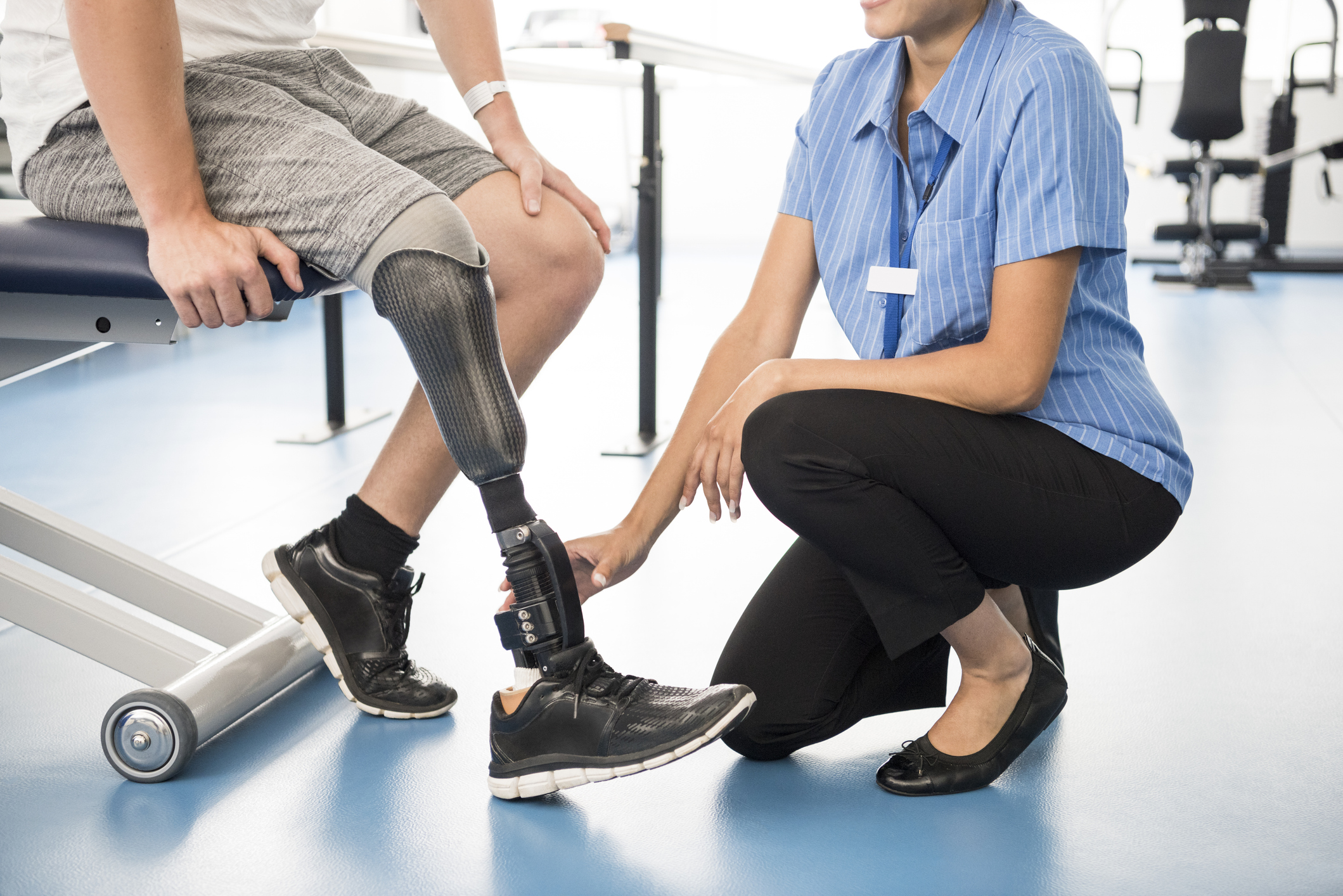
Careful evaluation and care coordination are essential to any workplace injury, but they are especially important in addressing the long-term challenges posed by injuries that result in an amputation. Amputations go far beyond the initial injury, impacting nearly every aspect of an injured worker’s recovery and daily life.
“Amputations can pose a unique set of challenges, including infections, swelling, and the potential for revision surgeries,” said Carol Franklin, Senior Medical Manager at Safety National. “Assessing functional impact, like weight-bearing ability, grip and dexterity, and whether a dominant limb was involved, can also help determine return-to-work potential and the level of long-term disability needs for an injured worker.”
The following questions provide additional insight into the causes, severity, and recovery considerations associated with workplace amputations.
1. What are the most common causes of this injury in the workplace?
Often, amputations occur after a fall from a high elevation in the workplace or a motor vehicle accident. Other causes can include gunshot wounds, burns, or electrocutions, where the tissue is damaged so severely that the limb cannot be saved.
2. How is severity assessed in the early stages, and how does it shape the treatment plan?
Severity is first assessed by the trauma level of care. Is the injured worker still in the intensive care unit or intubated? Are there accommodating injuries like a traumatic brain injury (TBI) or burns covering over 21% of the total body surface? Comorbidities that co-exist alongside the injury diagnosis are then reviewed to determine whether they may complicate the injury. Then, the level of amputation is accounted for, including whether it is a distal or proximal injury, or partial versus above the knee or elbow, and the type of tissue that was involved in the injury. This helps to understand the extent of the damage.
3. What does recovery and rehabilitation typically look like?
Based on the diagnoses, including any TBIs or spinal cord injuries that could impact recovery and rehabilitation after acute hospital care, the best course of action is typically to then admit the injured worker to a Center of Excellence (COE) to assist with specialized treatment. COEs focus on an interdisciplinary approach to rehabilitation. If the injured worker does not need a COE, they may require specialized care for limb loss and prosthetic care. Therapies are always involved in rehabilitation, too, including physical therapy, occupational therapy, and speech and language pathology. The goal is always to return the patient and their functional abilities to life before the injury, or with assistance, as close as possible.
4. What factors influence return-to-work outcomes?
The extent of the injury is the most significant factor. With a severe spinal cord injury or TBI, even with care through the COE, an injured worker may never be able to return to their work environment. With other injuries, they may not be able to return to work due to functional limitations. In some cases, an injured worker will work aggressively with therapy and be able to return to a job within their limitations. Vocational rehabilitation may help an injured worker find the right job.
5. What advancements in treatment, rehab, or technology are improving outcomes?
Advancements in medical treatment for limb loss have been astounding. Targeted muscle reinnervation can help design a limb for prosthetic use by allowing a surgeon to reroute nerves into new muscle targets. A lot of amputation patients have a hard time tolerating socket prosthetics, and now bone-anchored prosthetics that use titanium implants provide an alternative. Additionally, technology, such as robotic arms, hands, and knees, can alter an amputee’s sensory feedback, which can help improve their coordination. Exoskeletons are also allowing a tetraplegic person to stand up. Technology is only improving for injured workers with disabilities, helping them live their lives fully.

Safely Using Stair Steps When Stocking in a Retail Environment
5 Things to Know About Amputations Following a Catastrophic Injury

3 Rapidly Evolving Risks Facing Public Entities

How Claims Adjuster Decisions Influence Recovery Timelines

Rethinking Privacy Exposure in Cyber Liability
3 Key Pain Management Cost Trends in Workers’ Compensation Claims
5 Risk Management Considerations for an Aging Workforce

Reducing Caregiver Burden in Families of Injured Workers

Insights from Losses: Employer Responsibility in Managing Driver Risk

Understanding the Severity and Treatment of Catastrophic Burn Injuries

High-Risk Handoffs in Patient Care Transitions

A Catastrophic Injury Checklist for Employers

Reducing Bicycle Accidents on Work Campuses

Level Up Your Career with Insurance Designations That Make a Difference

5 De-escalation Techniques for School Districts to Know
5 Insights Into the Rising Role of Joint Replacement in Workers’ Compensation

7 Tools for Reducing Musculoskeletal Injuries in Data Centers

The Role of Fee Schedules in Workers’ Compensation Claims Cost Management

Managing Driver Distractions to Support Fleet Safety
Injectable Therapies and Their Growing Impact on Workers’ Compensation

Cyber Risk and Emerging Insurance Market Challenges for Enterprise Businesses

3 Emerging Trends Impacting Auto Liability

Shifting General Liability Exposures in an Era of Legal System Abuse

5 Issues Redefining Workers’ Compensation