Emerging Cost Trends in Home Health and Skilled Nursing Care
From increased utilization to rising service prices, home health and skilled nursing costs continue to outpace traditional medical inflation. NCCI’s latest findings shed light on where these trends are headed.
January 12, 2026
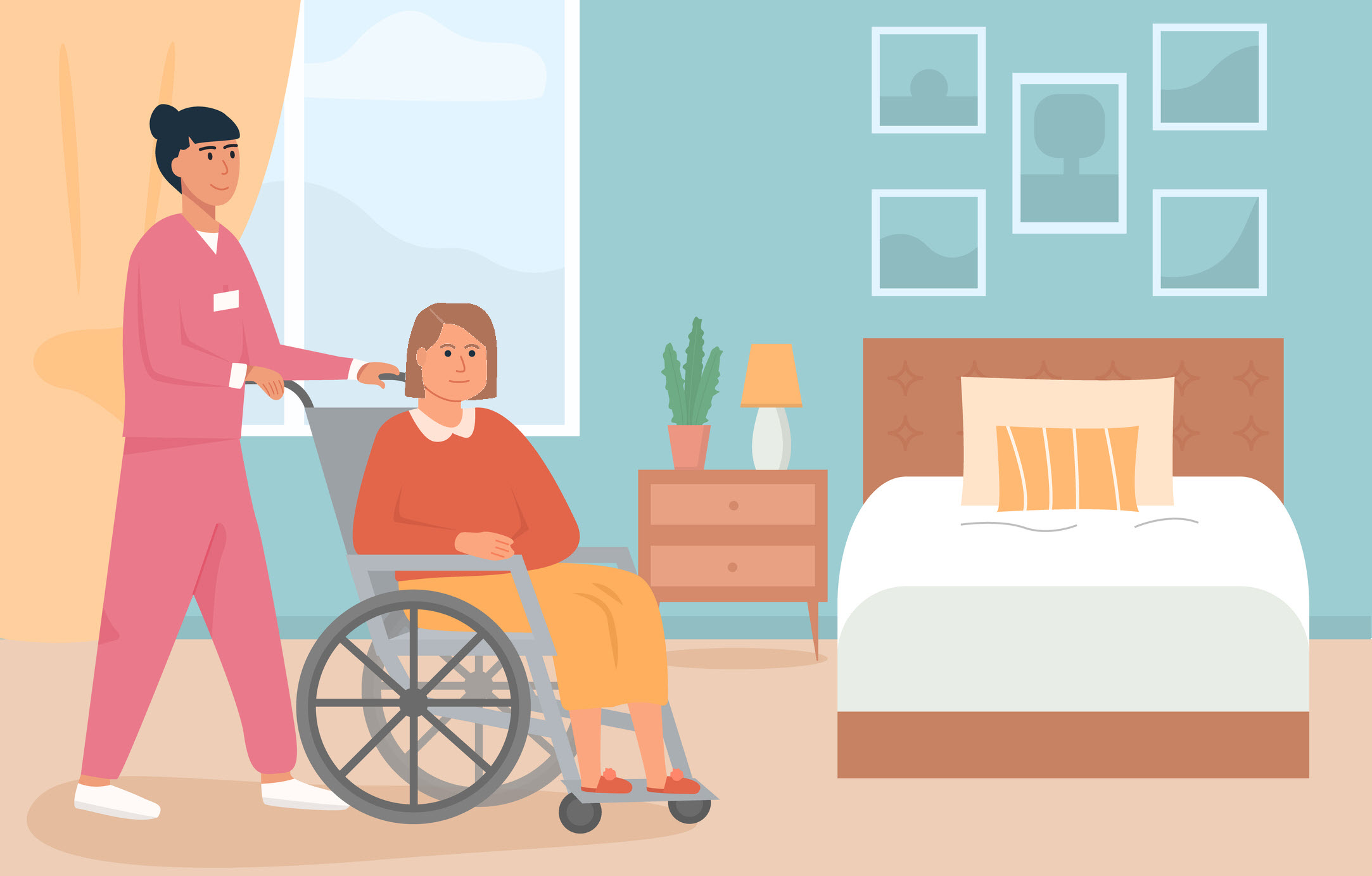
The critical transition back to home or a skilled nursing facility for an employee following a catastrophic injury is monumental in their recovery. Typically, following a long hospital stay, an injured worker may require assistance from several healthcare professionals, such as nurses, physical therapists, and home health aides, to monitor their injury, change wound dressings, administer medications, and assist with their daily routine. Delivering appropriate care for these injured workers has been met with more frequent challenges, including ongoing nursing shortages and more serious injuries, such as neck, spinal cord, and traumatic brain injuries.
“The industry is now at a point where skilled nursing costs are outpacing the Bureau of Labor Statistics’ Producer Price Index by a fairly wide margin, as noted in NCCI’s recent findings,” said Lisa Strader, Senior Medical Manager at Safety National. “The strain of economic costs, complex care needs, and labor shortages continues to drive service costs, but we have to ensure that injured workers receive appropriate and timely care to support their recovery.”
Recent findings from the National Compensation Council on Insurance (NCCI)’s Home Health Service and Skilled Nursing Facility Trends in Workers Compensation research brief explore ongoing cost trends for home health and skilled nursing through accident year 2024. While claim size and severity significantly impact how these costs vary, NCCI’s findings determined:
- Spinal cord and traumatic brain injuries account for approximately 60% of payments for home health and skilled nursing at five years post-injury. These injury types are considerably more complicated, presenting unique challenges in care. Injured workers with these injuries may have impaired or loss of motor control, as well as difficulty with sensory and autonomic functions. With these limitations, injured workers will require more assistance to perform their daily life tasks.
- As claims mature, the share of home health services increases. Claims costing between $250,000 and $500,000 one year after injury have a projected home health share of 2% of total medical costs. Comparatively, that share rises to 9.4% at 10 years post-injury. At 30 years, the share increases to around 12% of total medical costs. Similarly, skilled nursing also sees an increase in shares, followed by a period of plateau, then another increase.
- The average costs per claim for home health and skilled nursing services have steadily increased over the last 10 years. In 2024, the average home health cost per claim increased 58% compared to 2015. Within the same timeframe, skilled nursing costs more than doubled, from $14,700 per claim to $33,200. Escalating skilled nursing costs can be attributed to increases in the price of services, increased utilization of these services, and a shift toward more catastrophic claims.

Rethinking Privacy Exposure in Cyber Liability

3 Key Pain Management Cost Trends in Workers’ Compensation Claims
5 Risk Management Considerations for an Aging Workforce

Reducing Caregiver Burden in Families of Injured Workers

Insights from Losses: Employer Responsibility in Managing Driver Risk

Understanding the Severity and Treatment of Catastrophic Burn Injuries

High-Risk Handoffs in Patient Care Transitions

A Catastrophic Injury Checklist for Employers

Reducing Bicycle Accidents on Work Campuses

Level Up Your Career with Insurance Designations That Make a Difference

5 De-escalation Techniques for School Districts to Know
5 Insights Into the Rising Role of Joint Replacement in Workers’ Compensation

7 Tools for Reducing Musculoskeletal Injuries in Data Centers

The Role of Fee Schedules in Workers’ Compensation Claims Cost Management

Managing Driver Distractions to Support Fleet Safety

Injectable Therapies and Their Growing Impact on Workers’ Compensation

Cyber Risk and Emerging Insurance Market Challenges for Enterprise Businesses

3 Emerging Trends Impacting Auto Liability

Shifting General Liability Exposures in an Era of Legal System Abuse

5 Issues Redefining Workers’ Compensation

Safety Essentials for Municipal Stormwater Systems

A Five-Step Checklist for Stronger Construction Project Protection

7 Ways Law Enforcement Leadership Can Build Safer, More Accountable Agencies
Emerging Cost Trends in Home Health and Skilled Nursing Care