Injectable Therapies and Their Growing Impact on Workers’ Compensation
Injectable therapies are playing a growing role in workers’ compensation, offering alternatives for pain management and healing. New WCRI findings reveal how often these treatments are used and where costs are rising.
February 9, 2026
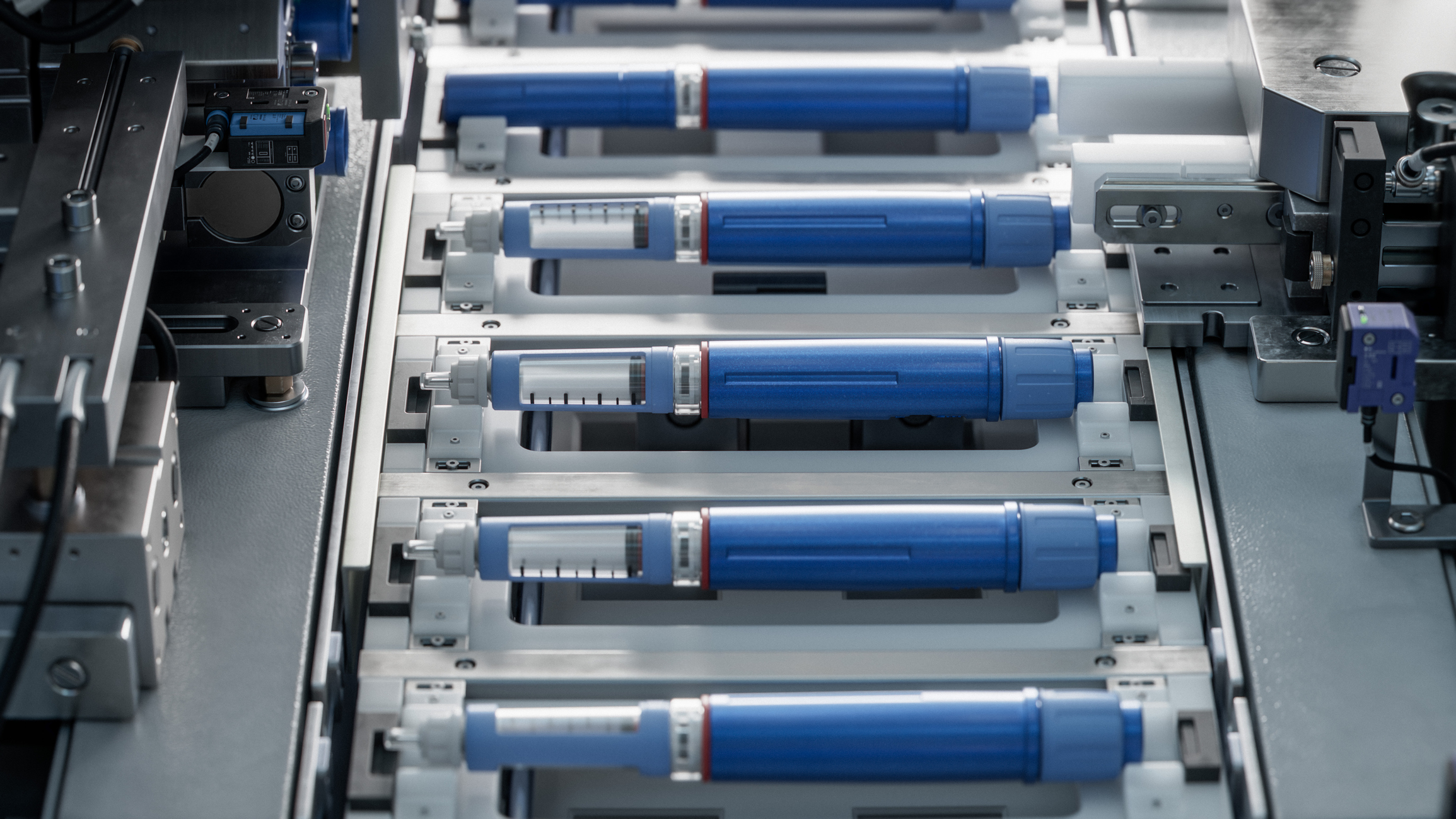
Nonsurgical treatments in workers’ compensation have become increasingly common in injured workers’ recoveries. Injectable therapies, like corticosteroids, hyaluronic acid, platelet-rich plasma (PRP), glucagon-like peptide-1 (GLP-1), and injectable migraine prevention drugs, are growing in popularity due to their wide range of use from managing pain and inflammation to promoting natural healing and controlling comorbidities.
“Specialty injectable medications, like biologics, are critical in treating complex conditions, but are unfortunately still very expensive in their per-unit costs,” said Jennifer Gallagher, Medical Manager at Safety National. “While their use is at a moderate level in treating injured workers, usage is becoming increasingly popular. Opportunities like biosimilar medications can increase competition and help lower workers’ compensation costs in the future.”
The Workers Compensation Research Institute (WCRI)’s most recent report, Injectable Therapies in Workers’ Compensation, explores the most common forms of these pharmaceuticals and trends in use and costs.
Types of Injectable Therapies Used in Treatment
For this study, WCRI grouped injectable therapies into two main categories: clinically administered injections and self-administered injections.
Some therapies need to be administered within a clinical setting, and as such, are grouped accordingly. These can include epidural steroid injections (ESI), pain management nerve blocks, joint injections, and emerging regenerative therapies. Botulinum toxin and systemic injections are also grouped into this category, and while they are only occasionally used, they are still associated with higher prices per prescription.
Therapies that are self-administered at home can include popular GLP-1 weight loss medications and migraine prevention medications that include calcitonin gene-related peptide (CGRP) autoinjections. Biologics and anticoagulants are typically self-administered but account for only a small share of treatments in workers’ compensation.
Injectables’ Frequency of Use in Workers’ Compensation Claims
The rate of injectables used in workers’ compensation claims varies state to state, but within the 28 states included in WCRI’s study, an average of 39% of claims received an injection between January 2014 and March 2022. Joint corticosteroids were the most commonly used in treating musculoskeletal and neuropathic conditions, occurring in 16% of claims in the median state. Pain management nerve blocks and ESIs followed, with median rates of 5% and 3%, respectively.
Interestingly, states where use was initially high showed a decline in injection use over the study years 2014-2021. WCRI notes that this could indicate a gradual shift away from injectable treatments over the last 10 years. However, as opioid use continues to decline, there may be an expected increase in injectable therapies. Notably, at least one injectable therapy was used in about 39% of claims with more than seven days of lost time.
Cost Trends
Provider practices, state policies, and types of medication prescribed can contribute to variances in state-to-state cost trends in injectable therapies. For example, the medication payment share for injectables ranged from 5% in Pennsylvania to 51% in Minnesota, with the median across states at 18%. Among injectable medications, clinically administered injectables accounted for 99% of all prescriptions. However, their share of costs decreased over time while self-administered injectables increased from 7% in 2018 to 15% in early 2024.
While self-administered injectables account for a small share of use, their financial impact is substantial due to their high unit cost. Biologics used to treat migraines represented the fastest-growing category in their share of workers’ compensation payments, increasing from 1% in 2018 to 8% in 2024.
While the use of injectable therapies may continue to expand in their treatment abilities, it is important to note that costs and use will depend on policies that define their approval within workers’ compensation.

Safely Using Stair Steps When Stocking in a Retail Environment

5 Things to Know About Amputations Following a Catastrophic Injury

3 Rapidly Evolving Risks Facing Public Entities

How Claims Adjuster Decisions Influence Recovery Timelines

Rethinking Privacy Exposure in Cyber Liability

3 Key Pain Management Cost Trends in Workers’ Compensation Claims

5 Risk Management Considerations for an Aging Workforce

Reducing Caregiver Burden in Families of Injured Workers

Insights from Losses: Employer Responsibility in Managing Driver Risk

Understanding the Severity and Treatment of Catastrophic Burn Injuries

High-Risk Handoffs in Patient Care Transitions

A Catastrophic Injury Checklist for Employers

Reducing Bicycle Accidents on Work Campuses

Level Up Your Career with Insurance Designations That Make a Difference

5 De-escalation Techniques for School Districts to Know

5 Insights Into the Rising Role of Joint Replacement in Workers’ Compensation

7 Tools for Reducing Musculoskeletal Injuries in Data Centers

The Role of Fee Schedules in Workers’ Compensation Claims Cost Management

Managing Driver Distractions to Support Fleet Safety
Injectable Therapies and Their Growing Impact on Workers’ Compensation

Cyber Risk and Emerging Insurance Market Challenges for Enterprise Businesses

3 Emerging Trends Impacting Auto Liability

Shifting General Liability Exposures in an Era of Legal System Abuse

5 Issues Redefining Workers’ Compensation