Managing Driver Distractions to Support Fleet Safety
Fleet safety is under growing scrutiny with increasing litigation risks. Learn how anticipating, compensating for, and eliminating distractions can help drivers stay focused, reduce crashes, and strengthen fleet safety programs.
February 9, 2026
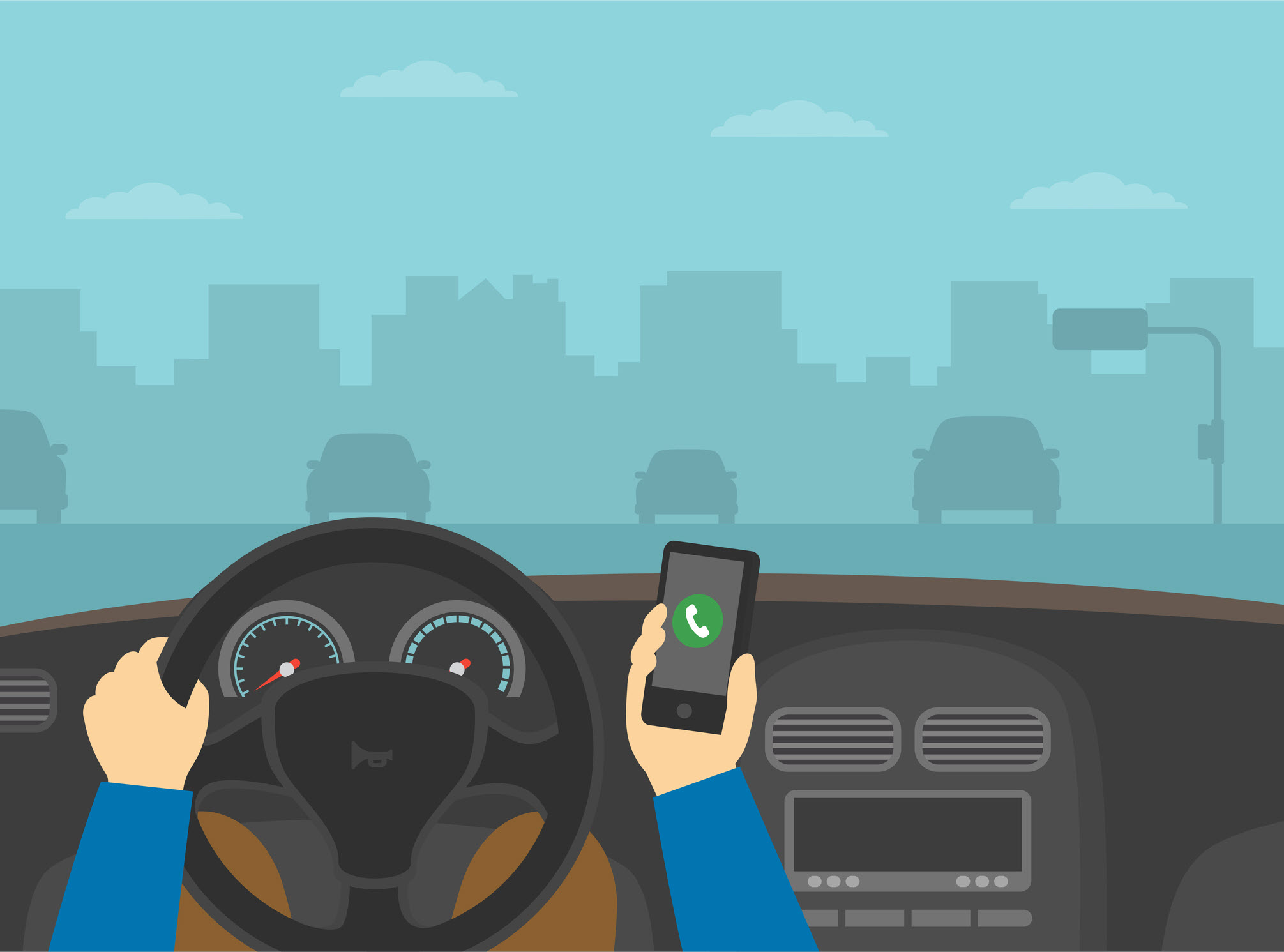
Addressing distracted driving in safety programs is essential for fleets that currently face a challenging risk management environment. Not only do employers need to keep their drivers safe from a growing number of distractions, but they also continue to encounter increased pressures amid rising litigation rates.
According to the National Highway and Traffic Safety Administration (NHTSA), distracted driving was responsible for taking 3,275 lives in 2023. Texting remains one of the most alarming distractions, diverting drivers’ attention from the road for an average of five seconds. The NHTSA notes that, comparably, five seconds of inattention to the road at 55 miles per hour is the equivalent of driving the length of an entire football field with your eyes closed.
“Drivers attempting to juggle multiple distractions at once, specifically with cell phones, are at a much greater risk of crashing,” said Michael Sullivan, Risk Control Manager at Safety National. “Good drivers focus on driving, eliminate the distractions they can control, and compensate for the unavoidable distractions.”
These three steps can help drivers better prepare for the road ahead.
1. Anticipate
Before drivers enter a vehicle, they should ask themselves, “What could pull my attention away from the road?” Maybe they are in an unfamiliar area, or they know the morning commute is particularly stressful. While there are a multitude of situations that can cause distractions, some of the most common include:
- Cell phones, including texting, calls, and checking notifications
- Reaching for objects
- Drowsy driving, causing slowed reaction time and poor focus
- Looking at crashes, construction, and police stops
- Eating or drinking
2. Compensate
Some distractions cannot be fully eliminated. In these situations, drivers can adjust how they drive to reduce risk. This may include:
- Allowing extra time by adjusting speed and increasing following distance space
- Scheduling glances, keeping eyes off the road for no more than two seconds (four out of every six seconds are needed to focus on the road ahead)
- Staying calm and in control of the vehicle
3. Eliminate
When possible, a driver should eliminate distractions until they can give something their full attention. Removing distractions can help create the safest environment possible. Strategies include:
- Checking maps and program navigation before leaving
- Securing items in the car that may slide or move
- Avoiding bad weather conditions and heavy traffic
- Turning off or silencing cell phones, if possible
- Eating before leaving
- Getting good sleep to prevent drowsy driving
- Avoiding substances or influences that impair judgment and awareness
- Preparing mentally to help stay calm in stressful situations
Recognizing and Addressing Drowsy Driving
Drivers should also be trained to recognize when distraction becomes a safety concern, particularly with drowsy driving. Warning signs include involuntary eye closure, inattention, frequent yawning, fatigue, and difficulty maintaining lane position.
Organizations should provide supportive guidance for addressing drowsy driving without fear of disciplinary action. While a proper rest break can help in the moment, long-term solutions may require scheduling or route adjustments.

Safely Using Stair Steps When Stocking in a Retail Environment

5 Things to Know About Amputations Following a Catastrophic Injury

3 Rapidly Evolving Risks Facing Public Entities

How Claims Adjuster Decisions Influence Recovery Timelines

Rethinking Privacy Exposure in Cyber Liability

3 Key Pain Management Cost Trends in Workers’ Compensation Claims

5 Risk Management Considerations for an Aging Workforce

Reducing Caregiver Burden in Families of Injured Workers

Insights from Losses: Employer Responsibility in Managing Driver Risk

Understanding the Severity and Treatment of Catastrophic Burn Injuries

High-Risk Handoffs in Patient Care Transitions

A Catastrophic Injury Checklist for Employers

Reducing Bicycle Accidents on Work Campuses

Level Up Your Career with Insurance Designations That Make a Difference

5 De-escalation Techniques for School Districts to Know

5 Insights Into the Rising Role of Joint Replacement in Workers’ Compensation

7 Tools for Reducing Musculoskeletal Injuries in Data Centers

The Role of Fee Schedules in Workers’ Compensation Claims Cost Management
Managing Driver Distractions to Support Fleet Safety

Injectable Therapies and Their Growing Impact on Workers’ Compensation

Cyber Risk and Emerging Insurance Market Challenges for Enterprise Businesses

3 Emerging Trends Impacting Auto Liability

Shifting General Liability Exposures in an Era of Legal System Abuse

5 Issues Redefining Workers’ Compensation