Safety Essentials for Municipal Stormwater Systems
Stormwater systems are essential infrastructure, yet they present significant and often overlooked safety risks. We explore key hazards and proven risk management strategies to reduce incidents and protect lives.
January 13, 2026
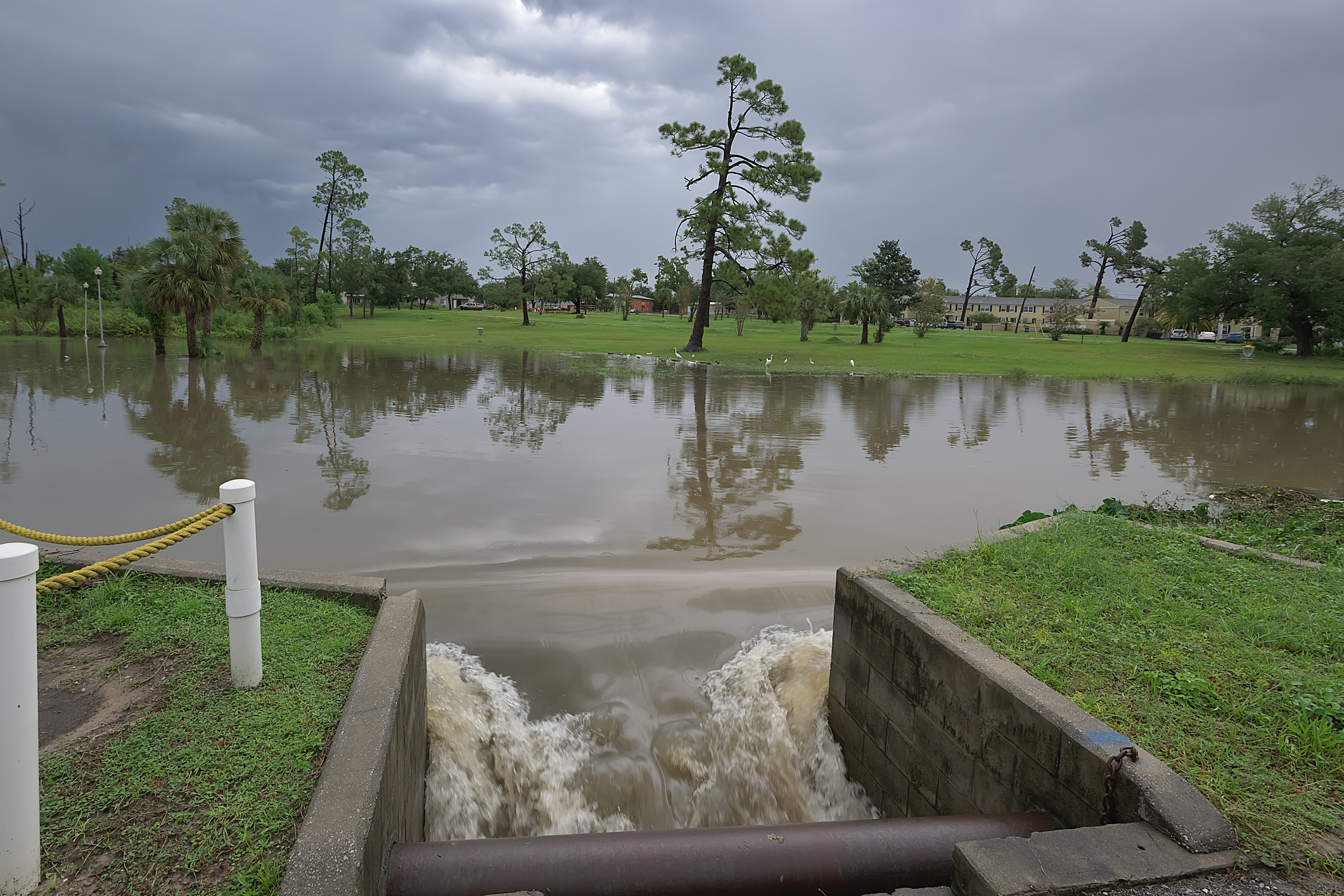
Municipal water districts rely on retention lakes, ponds, drainage canals, and stormwater conveyance systems to manage flooding and protect communities. While these systems perform crucial environmental and public safety functions, they also pose hidden liability hazards and attractive nuisances to children.
“Younger children might see these water retention areas as a swimming area, or may simply be trying to retrieve a lost item, and slip and fall into the water,” said Sara Gibson, Senior Risk Control Manager at Safety National. “There are also periods of severe flooding where people have been swept off their feet and into a rapidly flowing drainage system.”
Tragically, drownings and severe injuries continue to occur in these environments, many of which could have been prevented with stronger safety controls, better maintenance, and clearer public communication.
Recognizing Common Hazards
These water systems can be prone to many different hazards, including one or more of the following:
- Steep or slippery embankments
- Sudden drop-offs
- Rapid water-level changes during storms
- Fast-moving water
- Unrestricted access without fencing or signage
Historically, accidents involving these systems have included:
- Unprotected water structures (ponds, inlets, culverts) where barriers were missing
- Blocked storm drains, leading individuals to attempt risky clearing of debris during dangerous storms
- Hidden or unmarked drainage openings leading to entrapment
- Worker exposures during maintenance without proper rescue planning
Reducing Risk Through Design, Maintenance, and Planning
In most cases, preventive measures such as fencing, signage, maintaining grates, or ensuring safe egress points could have reduced the risk or prevented the accident entirely. A strong operations and maintenance (O&M) program is a cornerstone of public and employee safety, with regular facility inspections that include:
- Embankments, slopes, erosion, and bank stability
- Properly designed and maintained trash racks, inlet/outlet structures, and safety grates that:
- Prevent accidental entry into culverts or pipes
- Use safe bar spacing to prevent child or adult passage
- Include sloped or angled trash racks to shed debris
- Withstand peak storm flow and debris loads
- Incorporate corrosion-resistant materials and anti-tamper hardware
- Resist uplift or failure during extreme events
- Fences, railings, signage, and public access points
- Post-storm inspections for damage or blockages
Improving Worker Protection and Managing Debris
Facility inspections should also include vegetation management, which can help maintain visibility, prevent hidden drop-offs, and prevent overgrowth near drainage structures. Additionally, it can manage algae and aquatic vegetation that can mask hazards.
Sediment and debris removal may include routine dredging of sedimentation zones, clearing trash racks and inlet grates, and managing organic debris that reduces hydraulic flow.
Inspections can be hazardous for municipal workers, and extreme precautions should be taken to protect them from water system risks. Safety measures may include:
- Fall-protection systems near steep banks or open water
- Swift-water rescue training
- Buddy systems for inspections
- Throw bags, life rings, and reach poles at major facilities
- Pre-task hazard analyses before clearing blockages
While flowing water and bodies of water provide pleasing aesthetics, stormwater systems must be treated as industrial infrastructure, not recreational spaces. These water management structures must also provide relief during flooding emergencies but not cause injury or death. A comprehensive safety strategy ensures these critical systems function effectively while protecting both the public and those who maintain them.

Insights from Losses: Employer Responsibility in Managing Driver Risk

Understanding the Severity and Treatment of Catastrophic Burn Injuries

High-Risk Handoffs in Patient Care Transitions

A Catastrophic Injury Checklist for Employers

Reducing Bicycle Accidents on Work Campuses

Level Up Your Career with Insurance Designations That Make a Difference

5 De-escalation Techniques for School Districts to Know
5 Insights Into the Rising Role of Joint Replacement in Workers’ Compensation

7 Tools for Reducing Musculoskeletal Injuries in Data Centers

The Role of Fee Schedules in Workers’ Compensation Claims Cost Management

Managing Driver Distractions to Support Fleet Safety

Injectable Therapies and Their Growing Impact on Workers’ Compensation

Cyber Risk and Emerging Insurance Market Challenges for Enterprise Businesses

3 Emerging Trends Impacting Auto Liability

Shifting General Liability Exposures in an Era of Legal System Abuse

5 Issues Redefining Workers’ Compensation
Safety Essentials for Municipal Stormwater Systems
A Five-Step Checklist for Stronger Construction Project Protection

7 Ways Law Enforcement Leadership Can Build Safer, More Accountable Agencies

Emerging Cost Trends in Home Health and Skilled Nursing Care

Distinguishing Vendors from Subcontractors

The Role of Physician Specialists in an Injured Worker’s Recovery
Rethinking Safety: Total Worker Health in Public Entities

Remote Work’s Impact on Workers’ Compensation Claims Frequency