Shifting General Liability Exposures in an Era of Legal System Abuse
Tort reform targeting third-party litigation funding is gaining traction, but legal system abuse continues to evolve through AI-driven plaintiff strategies and shifting liability exposures. We dive into recent legislative changes and evolving risks.
January 27, 2026
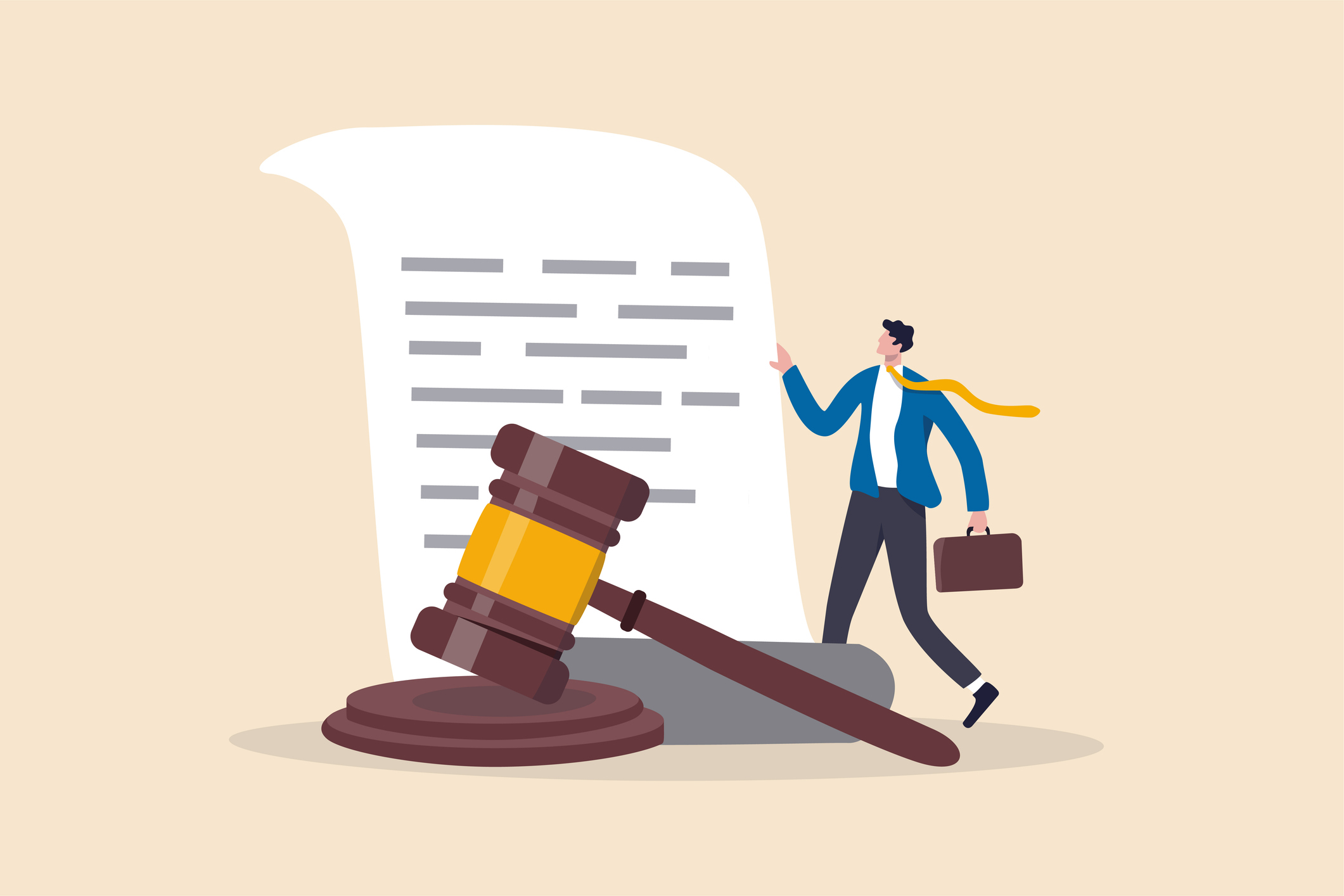
In 2025, we examined the ongoing impact of legal system abuse on general liability and how organizations can manage its effects. Since then, more states have enacted tort reform and are advancing disclosure requirements for greater transparency around third-party litigation funding (TPLF), a key driver of legal system abuse in the U.S., but has any monumental change occurred yet in early 2026?
“General liability is facing continued pressure within an abused and commercialized legal system that is driving up loss costs and expenses due to tactics increasing litigation rates and lengthening time to resolve matters,” said Todd McMillan, Corporate Senior Vice President, Liability Claims at Safety National. “In addition to litigation funding, jury verdicts and settlements are larger as a result of escalating damages profiles, unreasonable settlement demands, and legal trends expanding negligence theory.”
Here, we review recent legislative changes affecting legal system abuse and examine how product liability and premises liability exposures are shifting.
AI-Led Tactics and the Push for Tort Reform
You have heard the term, read about its impact, and likely know it is a continually worsening issue, but how is legal system abuse evolving? New tactics from the plaintiff bar, including the use of AI to identify lucrative opportunities and assemble demand packages, have created new challenges for the defense bar, requiring significant pivots in their own strategies.
TPLF continues to raise concerns around national security, but several states have pushed back through reform. Arizona, Georgia, Indiana, Kansas, Louisiana, Montana, West Virginia, and Wisconsin have enacted laws that limit the influence of TPLF. In fact, four of these states passed laws in 2025, which could signal progress toward the future of tort reform. These laws include rules on transparency, restrictions on foreign influence, and requirements for identifying investors.
Product Liability Exposures
Supply chain complexity and recalls are causing product liability claims challenges by creating disputes over responsible parties. For example, in autonomous vehicles, a technological failure that results in an accident raises questions of whether the automotive company, software developer, or potentially the parts supplier is at fault. This then calls into question whose policy is primary, secondary, or implicated in the claim. As a result, contractual risk transfer plays a greater role in managing these claims. Certificate compliance, contract review, and risk governance become central to organizations’ investments as they seek greater clarity and protection.
Premises Liability and Increasing Slip, Trip, and Fall Claims
Slips, trips, and falls have always been a high-frequency, high-cost exposure, but with the influence of legal system abuse, these claims are becoming increasingly more lengthy and costly. Frequently affected industries such as retail, healthcare, and hospitality can benefit from stronger safety standards. Investments in the right flooring materials, indoor and outdoor lighting, and weather response can help prevent these incidents from occurring. However, pairing these solutions with surface testing and enhanced incident tracking via cameras and immediate post-incident investigation can maximize an organization’s investments, particularly as loss prevention results will be more heavily scrutinized by insurers.

Rethinking Privacy Exposure in Cyber Liability

3 Key Pain Management Cost Trends in Workers’ Compensation Claims

5 Risk Management Considerations for an Aging Workforce

Reducing Caregiver Burden in Families of Injured Workers

Insights from Losses: Employer Responsibility in Managing Driver Risk

Understanding the Severity and Treatment of Catastrophic Burn Injuries

High-Risk Handoffs in Patient Care Transitions

A Catastrophic Injury Checklist for Employers

Reducing Bicycle Accidents on Work Campuses

Level Up Your Career with Insurance Designations That Make a Difference

5 De-escalation Techniques for School Districts to Know

5 Insights Into the Rising Role of Joint Replacement in Workers’ Compensation

7 Tools for Reducing Musculoskeletal Injuries in Data Centers

The Role of Fee Schedules in Workers’ Compensation Claims Cost Management

Managing Driver Distractions to Support Fleet Safety

Injectable Therapies and Their Growing Impact on Workers’ Compensation

Cyber Risk and Emerging Insurance Market Challenges for Enterprise Businesses

3 Emerging Trends Impacting Auto Liability
Shifting General Liability Exposures in an Era of Legal System Abuse

5 Issues Redefining Workers’ Compensation
Safety Essentials for Municipal Stormwater Systems

A Five-Step Checklist for Stronger Construction Project Protection

7 Ways Law Enforcement Leadership Can Build Safer, More Accountable Agencies

Emerging Cost Trends in Home Health and Skilled Nursing Care