Beyond “Who’s Liable?”: Managing Safety on Multi-Employer Job Sites
When multiple employers share a construction site, safety and responsibility can quickly become unclear. Without a well-managed approach, the consequences can escalate from confusion to more serious safety and liability risks.
May 1, 2026
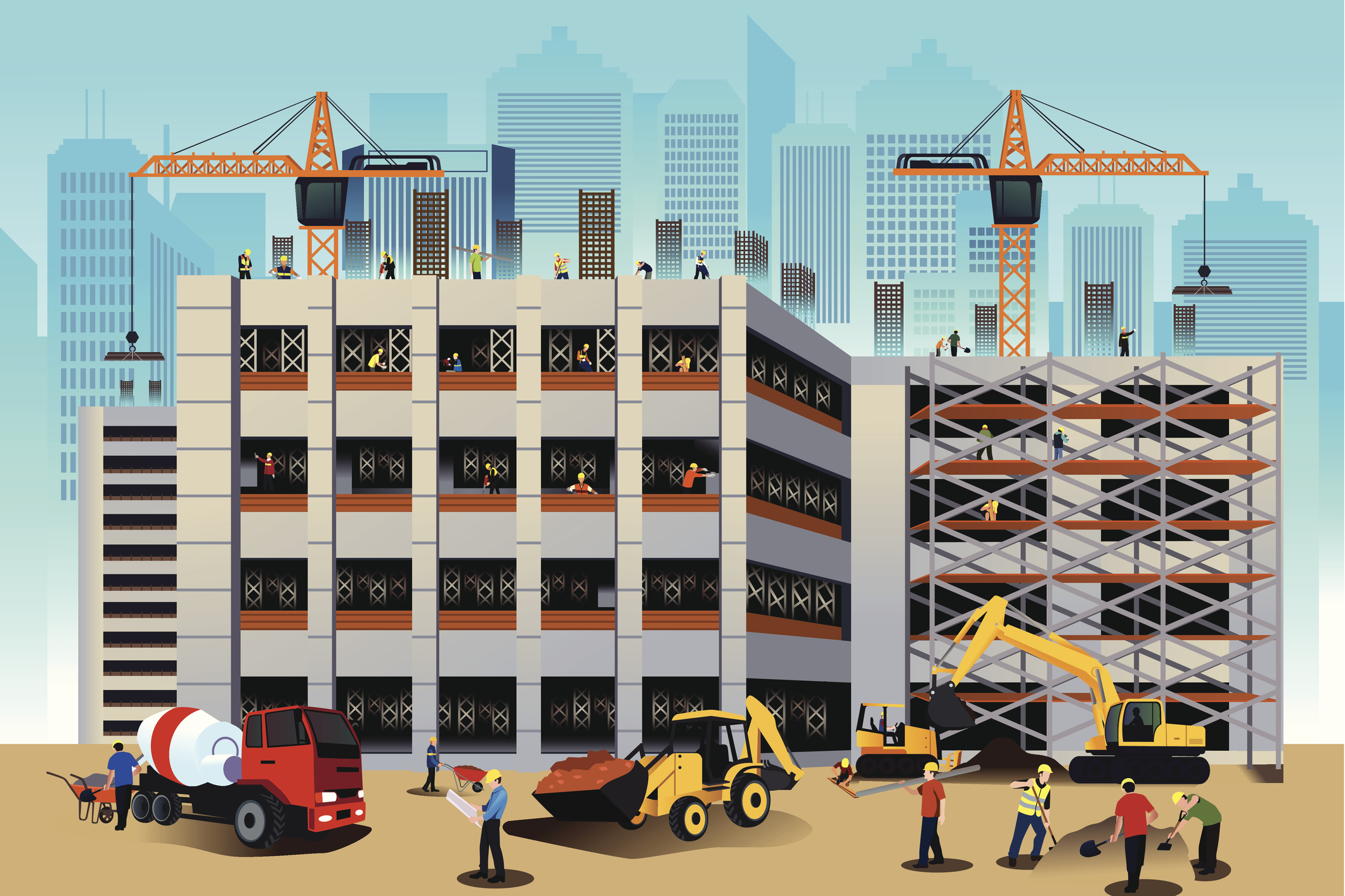
Modern construction projects are a collective effort. Behind every task is a network of teams working together to turn blueprints into tangible outcomes. General contractors, subcontractors, and temporary workers often share the same jobsite, all playing crucial roles in each initiative. While this approach offers greater flexibility and efficiency, it also introduces a new layer of complexity, particularly when it comes to managing safety and responsibility.
As more construction-related employers operate side by side, the traditional focus on “who is liable” is no longer enough. When roles overlap, expectations can grow unclear, leading to gaps in accountability and increased risk.
“From start to finish, there are multiple stages to a construction project, which call for oversight from various employers,” said Kevin O’Sadnick, Director, Risk Control at Safety National. “The weight of a project is not just on the general contractor. If one large accident occurs, the consequences could affect the entire workforce, resulting in a pattern of injuries, time delays, and added expenses.”
Ultimately, managing shared risk across multi-employer job sites is not easy. It requires clear alignment in safety, responsibility, and coordination. The following factors are fundamental considerations for everyone involved.
Identifying Potentially Liabilities
Determining a liable party is rarely straightforward. In such a litigation-heavy landscape, liability can extend across the full chain from manufacturers to the teams operating at a site location. This environment reinforces the need for organizations to manage their own responsibilities while maintaining a holistic and diligent view of the risks across the entire job site.
From steelworkers and crews framing drywall and pouring concrete to electricians, plumbers, and other specialized trades, various operations can introduce hazards. Whether cluttered work areas lead to a slip and fall or an excavation exposes unsafe conditions, pinpointing a single source of fault can be challenging. Additionally, not all risks originate from on-site activity. Certain issues may stem from the tools and components provided to perform the job. Design flaws and poor craftsmanship are critical red flags to monitor closely.
Understanding Overlapping Risk Exposure
Risks rarely occur in isolation, especially in multi-employer environments. Busier job sites call for greater coordination and awareness across all teams. Whether working in shared spaces or through sequential tasks, the actions of one group can have a direct impact on others. When multiple teams work cross-functionally, each interaction must be carefully managed; otherwise, the slightest gap in execution can quickly escalate into larger safety concerns.
In many cases, overlapping exposures are unintentional and not immediately visible. When certain risks go unrecognized, the implications can result in significant losses. What starts as a localized issue can trigger a ripple effect of workflow disruptions and safety hazards for stakeholders across the project. Even small lapses, like poor housekeeping, minor breakdowns, or unfinished tasks, may contribute to broader financial and operational challenges.
Navigating OSHA Compliance
On multi-employer job sites, OSHA compliance often extends beyond a single organization. Regulators may cite multiple entities for the same condition, even if one party was not directly at fault for an issue. This means that whether a hazard was created, left unaddressed, or not properly controlled, OSHA can enforce shared accountability across the entire job site.
Maintaining OSHA compliance requires a proactive and consistent approach, especially when multiple stakeholders are involved. Following safety standards and maintaining vigilance around emerging hazards are core practices. Routine inspections, uniform expectations, and documented protocols play an important role in reducing citation risk and limiting liability exposure.
Prioritizing Teamwork and Job Alignment
Strong teamwork is essential to effective job site performance. When working toward a shared goal, collaboration among different teams must be intentional and well-coordinated. With multiple trades working simultaneously, proper alignment in scheduling and execution helps maintain steady progress across various stages of the project. Even if one task falls out of sync, small inconsistencies can create friction for other crews and disrupt the broader workflow.
Focused leadership helps set the tone for effective teamwork. General contractors and project managers play a key role in setting expectations, vetting subcontractors, and ensuring that all teams understand how their efforts benefit the overall scope of a project. Across both residential and commercial work, consistent oversight and ongoing communication help reinforce accountability, ultimately supporting safer, more efficient outcomes.
The Challenges of Third-Party Hauling

Using Leading and Trailing Indicators to Reduce Law Enforcement Risk

Enhancing Claims Outcomes Through Quality Audits

5 Key Insights from RIMS 2026

Beyond “Who’s Liable?”: Managing Safety on Multi-Employer Job Sites

Types of Injectables Used in an Injured Worker’s Pain Management

Using AI Gun Detection Technology to Enhance Workplace Safety

Overcoming Setbacks in an Injured Employee’s Return-to-Work Process

4 Practical Steps for Managing Age-Related Risks
Thinking Beyond Physical Safety to Support Mental Health in Construction Workers

5 Key Insights on Distracted Driving That Employers Need to Know

The Causes, Care, and Recovery of Traumatic Brain Injuries

Safely Using Stair Steps When Stocking in a Retail Environment

5 Things to Know About Amputations Following a Catastrophic Injury
3 Rapidly Evolving Risks Facing Public Entities

How Claims Adjuster Decisions Influence Recovery Timelines

Rethinking Privacy Exposure in Cyber Liability

3 Key Pain Management Cost Trends in Workers’ Compensation Claims
5 Risk Management Considerations for an Aging Workforce

Reducing Caregiver Burden in Families of Injured Workers

Insights from Losses: Employer Responsibility in Managing Driver Risk

Understanding the Severity and Treatment of Catastrophic Burn Injuries

High-Risk Handoffs in Patient Care Transitions

A Catastrophic Injury Checklist for Employers