The Causes, Care, and Recovery of Traumatic Brain Injuries
Traumatic brain injuries are one of the most devastating workplace injuries that can have lifelong ramifications for an injured worker. In our latest installment of the Catastrophic Injury Series, we answer some of the most frequently asked questions regarding this catastrophic injury.
April 20, 2026
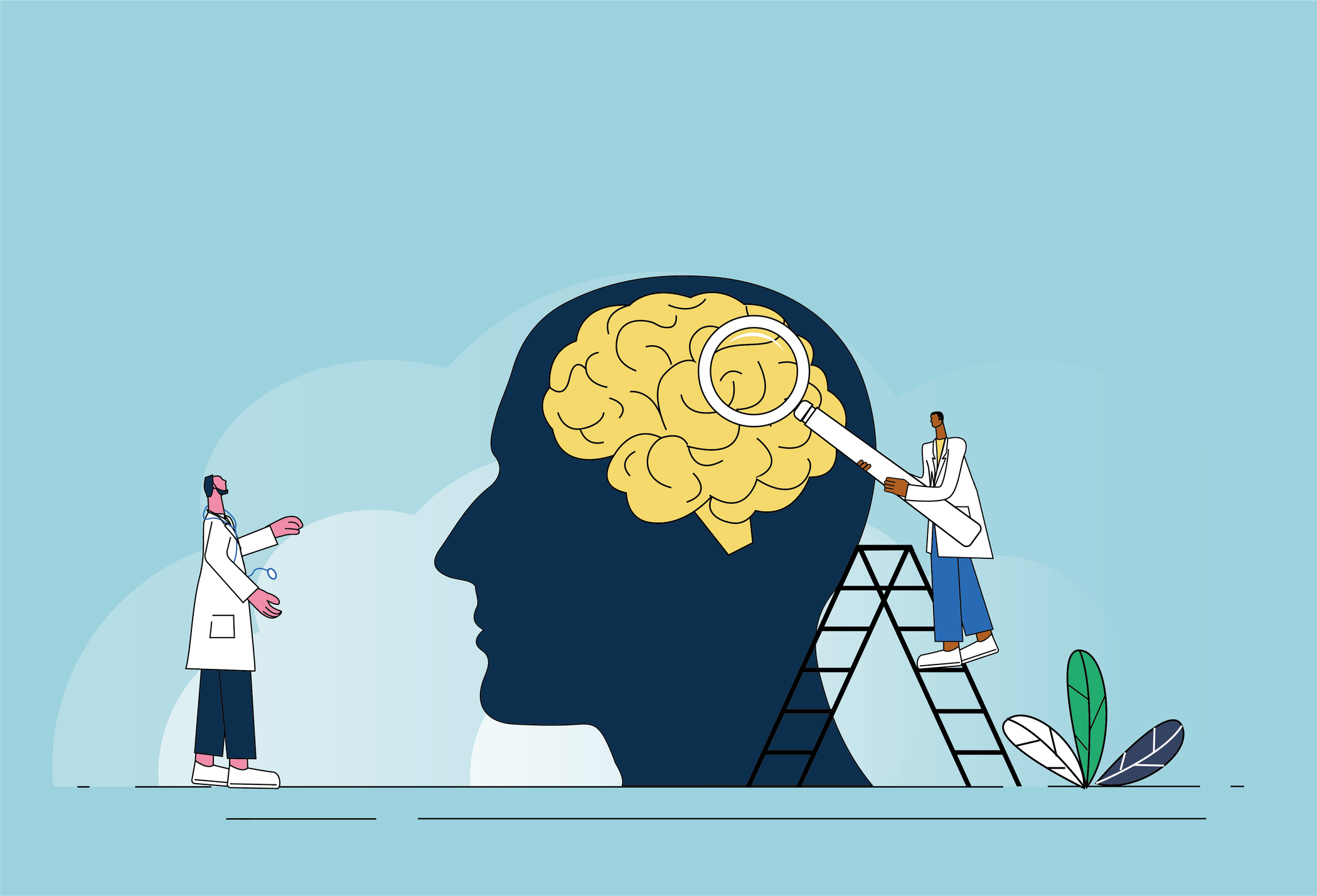
For an injured worker who experiences a traumatic brain injury (TBI) in the workplace, the recovery process can be complex and multifaceted, with multiple providers, therapists, and rehabilitation facilities involved to help the worker regain their independence. A carefully coordinated care team is key to an injured worker’s recovery, but functional improvement can also depend on an employee’s health before their injury.
“Comorbidities play a critical role in the recovery potential for an individual who sustains a TBI,” said Stacy Whalen, Director of Medical Management at Safety National. “Patients with significant pre-existing medical and psychological conditions, and individuals of advanced age, may experience a delayed or suboptimal path to recovery based on the brain’s ability to heal.”
Here, we outline some of the TBI causes, treatment, and recovery options following a catastrophic work injury.
1. What are the most common causes of this injury in the workplace?
Strikes to the head that result in a TBI are most commonly caused by falls, such as those from ladders and platforms. These heights are not necessarily always extremely high but can still cause serious injury. Additionally, TBIs can be caused by strikes to the head involving industrial equipment, beams, and tree branches, or motor vehicle accidents, either by collision of vehicles, or quite frequently when a pedestrian is struck or run over by a vehicle in a parking lot or crosswalk. The degree of the brain injury from these accidents can vary greatly, from a mild concussion to a severe TBI resulting in significant cognitive deficits.
2. How is severity assessed in the early stages, and how does it shape the treatment plan?
A traumatic brain injury that results in hospitalization is initially assessed with the Glasgow Coma Scale (GCS). The GCS assesses the level of cognition and is based upon a range of 3-15, which is scored on eye-opening, verbal response, and motor response.
When it comes time for rehabilitation, the RANCHO scale is commonly used. This 10-point scale tracks cognitive and behavioral recovery from a TBI. It measures the level of assistance required and the patient’s state of consciousness. There are various assessment modalities throughout rehabilitation, but these are the two that are most commonly used.
These various assessment tools are critical in the care pathway, as they allow providers to determine the injured worker’s ability to tolerate advancements, whether it is safe to attempt, and the level of progress or ongoing deficit. These measurements help providers determine what is the most appropriate next step in care.
3. What does recovery and rehabilitation typically look like?
You may often hear that no two brain injuries are alike. That is very true. Although there are objective commonalities and very specific care pathways for treating various degrees of brain injury, course of treatment is difficult to predict because the way the brain recovers and responds to intervention varies greatly by person and age. Brain injury recovery is not linear. Experts in neurology, neurosurgery, and neuro-rehabilitation will often recommend 1-2 years to see ongoing incremental progress before the recovery starts to plateau.
4. What advancements in treatment and rehab are improving outcomes?
There have been numerous pharmaceutical advancements that aid in the brain’s recovery, including the ability to stimulate the brain and balance neuro-pathways. Additionally, there are now brain-injury-focused rehabilitation models that take an interdisciplinary approach to recovery where all disciplines and specialists collaborate in the rehabilitation plan. This can include speech therapy, cognitive therapy, physical therapy, occupational therapy, counseling, and community integration.
5. What is shaping outcomes in terms of new technology?
This area is bursting with opportunities to improve outcomes by addressing neuroplasticity, from something as simple as a tablet to enhance communication and enable independence to more complex technologies such as exoskeletons that provide a frame for the body and help with standing and ambulation. An exciting intervention is virtual reality therapy, which is being incorporated into care plans. VR therapy focuses on improving neuroplasticity by providing tasks that focus on cognitive and motor functions.
Another advancement in technology has been the incorporation of telemedicine for provider follow-up, including mental health appointments. Often, the injured worker cannot drive yet or traveling to appointments is physically or cognitively difficult. If they live in a rural area, travel can also be long and exhausting. Having periodic follow-up appointments that can be completed via telemedicine can be very helpful and lessen the stress on an injured worker and increase compliance with regular medical follow-up.

Beyond “Who’s Liable?”: Managing Safety on Multi-Employer Job Sites

Types of Injectables Used in an Injured Worker’s Pain Management

Using AI Gun Detection Technology to Enhance Workplace Safety

Overcoming Setbacks in an Injured Employee’s Return-to-Work Process

4 Practical Steps for Managing Age-Related Risks
Thinking Beyond Physical Safety to Support Mental Health in Construction Workers

5 Key Insights on Distracted Driving That Employers Need to Know
The Causes, Care, and Recovery of Traumatic Brain Injuries

Safely Using Stair Steps When Stocking in a Retail Environment
5 Things to Know About Amputations Following a Catastrophic Injury

3 Rapidly Evolving Risks Facing Public Entities

How Claims Adjuster Decisions Influence Recovery Timelines

Rethinking Privacy Exposure in Cyber Liability
3 Key Pain Management Cost Trends in Workers’ Compensation Claims
5 Risk Management Considerations for an Aging Workforce
Reducing Caregiver Burden in Families of Injured Workers
Insights from Losses: Employer Responsibility in Managing Driver Risk

Understanding the Severity and Treatment of Catastrophic Burn Injuries

High-Risk Handoffs in Patient Care Transitions

A Catastrophic Injury Checklist for Employers

Reducing Bicycle Accidents on Work Campuses

Level Up Your Career with Insurance Designations That Make a Difference

5 De-escalation Techniques for School Districts to Know
5 Insights Into the Rising Role of Joint Replacement in Workers’ Compensation